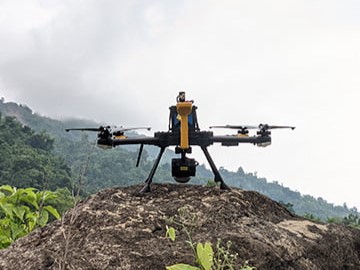
Over the course of my time here, I owned the electronics backbone of our hardware platforms – from DC-DC converters and battery management systems to power distribution boards and autopilot boards. Rather than working on these in isolation, I approach them as one interconnected system, because a flaw in one board rarely stays contained to that board alone.
This mindset has shaped how I built out our design assurance process. Every schematic, every PCB layout, every system architecture decision passes through a structured review before it ever reaches assembly. It isn’t about slowing things down – it is making sure that when hardware goes into production, it works fine the first time. Over time, this review process has become a quiet but critical safeguard across the team’s workflow, catching issues early enough so that they never turn into expensive, time-consuming fixes later.
This safeguard has proven its worth more than once. During pre-production reviews, I identified critical design flaws that – left unnoticed – would have resulted in hardware failures downstream. Catching them early meant avoiding costly rework, protecting launch timelines, and, just as importantly, protecting the team’s confidence in the hardware we are shipping.
For me, this is the part of hardware engineering I find most rewarding: not just designing something that works, but defining the processes that make sure it keeps working.